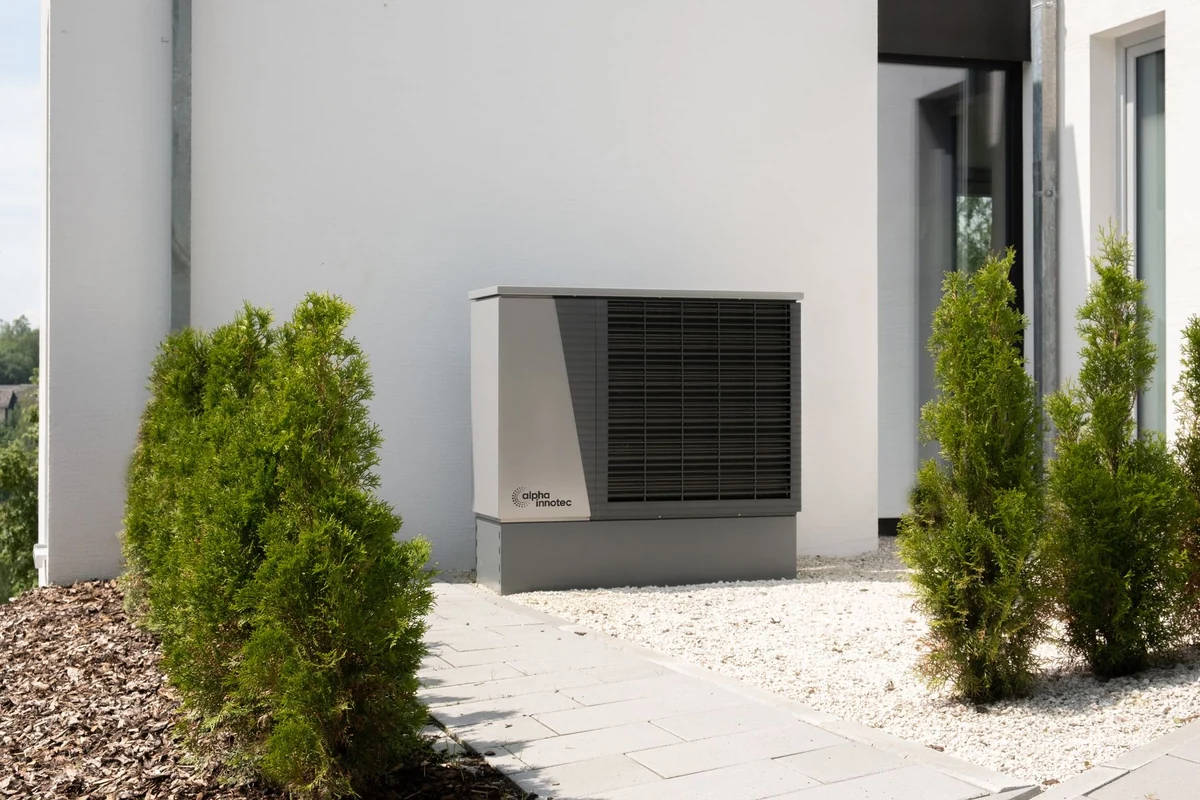
If you are comparing a Gree vs Mitsubishi heat pump for your Sacramento home, you have already narrowed the field to two of the most respected names in ductless mini split technology. Both brands build inverter-driven heat pumps that heat and cool efficiently, but they take different approaches to price, cold-climate performance, and long-term reliability. Choosing the right one matters even more here in the Central Valley, where summer highs regularly top 100F and winter nights can still dip close to freezing.
This guide breaks down how Gree and Mitsubishi Electric stack up on efficiency, installation cost, warranty coverage, and real-world performance in Sacramento's Zone 12 climate, so you can make a confident decision before you call a contractor.
Gree vs Mitsubishi Heat Pump: The Quick Comparison
Both Gree and Mitsubishi manufacture single-zone and multi-zone ductless mini split systems that use inverter-driven compressors to modulate output instead of cycling on and off. That inverter technology is the main reason mini splits outperform older central air systems in most homes.
Where the Two Brands Overlap
Both product lines cover the same practical BTU range for most residential rooms, roughly 9,000 to 24,000 BTU, and both offer high-SEER2 models that qualify for utility rebates through SMUD in the Sacramento area. Both also build multi-zone systems that let one outdoor condenser run two to eight indoor heads, which is common in Sacramento's older ranch-style homes with room additions.
Where They Diverge
Mitsubishi Electric, through its Diamond and Mr. Slim / M-Series lines, has built its reputation on cold-climate performance and a dealer-installed model with tightly controlled quality assurance. Gree, and its H2i-comparable cold-climate models sold under sub-brands, competes primarily on price and DIY-friendly multi-zone kits, while still offering commercial-grade single-zone units through licensed dealers.
Key fact: Cold-climate heat pumps from both major manufacturer categories stay effective down to about -13F with H2i-style technology, which is far beyond anything Sacramento's mild winters will ever demand, but it is a useful proxy for how much reserve heating capacity a system has on our coldest Tule fog mornings.
Efficiency and SEER2 Ratings
Since 2023, the Department of Energy has required a minimum SEER2 rating of 15 for split-system heat pumps sold in the United States, with premium units now reaching 20+ SEER2. Both Gree and Mitsubishi offer models across this entire range.
What SEER2 Means for Your Sacramento Utility Bill
Mitsubishi's higher-end M-Series and Zuba Central lines frequently land in the 20-33 SEER2 range for single-zone units, which is where you will see the steepest efficiency premium reflected in price. Gree's flagship single-zone units, sold under brands like Sinclair or Gree-licensed OEM lines, often reach the high teens to low 20s in SEER2, putting them within a few efficiency points of Mitsubishi at a noticeably lower sticker price.
In practice, homeowners switching from a legacy central air system to any modern inverter mini split, regardless of brand, tend to see energy savings of 25-40% versus central air, driven by zone control and inverter compressor technology rather than brand alone. That means the Gree vs Mitsubishi decision affects your bill less than the decision to switch to a mini split in the first place.
Cold Weather and Hot Weather Performance
Humidity Control in a Dry Climate
Because Sacramento summers are hot but dry rather than hot and humid, humidity removal is a lower priority here than it is in coastal or Southeastern markets, but it still matters during the shoulder-season weeks when Delta breezes push moisture inland. Inverter-driven compressors on both Gree and Mitsubishi units run at lower, steadier speeds than fixed-speed equipment, which pulls more moisture out of the air per cooling cycle rather than blasting cold air and shutting off. That steadier operation is one of the underappreciated comfort advantages either brand offers over an aging central air system.
Sacramento's climate profile, hot dry summers over 100F and mild winters, is very different from what pushes premium cold-climate heat pumps to their limits in places like the Sierra foothills or the Bay Area's marine layer, where humidity and salt air add corrosion stress to outdoor units.
Summer Cooling in the Central Valley
Both brands' compressors are engineered to hold rated capacity in high ambient temperatures, but Mitsubishi's Hyper-Heating and standard cooling lines have a longer independent testing track record at sustained high heat loads, which matters during multi-week Sacramento heat waves. Gree's commercial-grade units perform comparably in short-term lab testing, though the installed base and long-term field data in extreme heat is smaller.
Winter Heating on Cold Valley Mornings
Sacramento rarely needs the extreme cold-weather heating capacity that H2i-style systems are built for, but that headroom still matters on the coldest winter mornings when Tule fog settles in and outdoor temperatures approach freezing. Both brands' cold-climate models will comfortably cover this without needing backup electric resistance heat strips.
Pro tip: Ask your installer to run a Manual J load calculation for your specific home rather than sizing off square footage alone. An oversized mini split short-cycles and dehumidifies poorly, which matters in Sacramento's dry summers just as much as an undersized one leaves rooms uncomfortable during a heat wave.
Installation Cost Comparison
Installation cost is where the Gree vs Mitsubishi decision often gets made. A single-zone system typically runs $3,000-$6,000 for a DIY-adjacent install, while a professionally installed multi-zone system runs $5,000-$14,000 or more depending on the number of indoor heads and line-set complexity.
Gree Pricing
Gree-based systems, particularly those sold through big-box retailers or online DIY multi-zone kits, tend to sit at the lower end of both ranges. This makes Gree an attractive option for Sacramento homeowners retrofitting an addition, a garage conversion, or a secondary unit where budget is the primary constraint.
Mitsubishi Pricing
Mitsubishi Electric systems are sold almost exclusively through its Diamond Contractor network, which restricts DIY installation but also means every unit is commissioned by a factory-trained technician. That dealer network adds cost, typically pushing installed pricing toward the middle to upper end of the ranges above, but it also standardizes warranty registration and startup diagnostics.
Warranty and Long-Term Reliability
Warranty coverage is one of the more concrete ways to compare these two brands side by side, since both publish standard terms.
Compressor Warranty
A 10-year compressor warranty is standard among major brands, including both Gree and Mitsubishi, provided the system is registered within the manufacturer's required window after installation, usually 60-90 days. Skipping registration typically drops coverage down to a shorter default term, so this step matters regardless of which brand you choose.
Parts and Labor Coverage
Mitsubishi's dealer-installed model generally extends labor warranty options through its certified contractor network, which can be valuable if a compressor or board fails in year six or seven. Gree's warranty terms vary more by the specific OEM or reseller brand it is sold under, so it is worth confirming exactly who backs the warranty, the manufacturer directly or a third-party importer, before you sign a contract.
Refrigerant Technology: R-32 vs R-410A
Servicing Considerations for Contractors
R-32 is mildly flammable (classified A2L), which requires technicians to follow updated handling and leak-detection procedures compared to the non-flammable R-410A. Any licensed Sacramento HVAC contractor installing a current-generation Gree or Mitsubishi system should already be trained on A2L handling, but it is a reasonable question to ask before hiring, especially for a multi-zone install with longer line-set runs where a slow refrigerant leak is harder to spot.
Refrigerant choice affects both environmental impact and long-term parts availability. R-32 refrigerant is replacing R-410A across the industry, with a global warming potential of 675 versus 2,088 for R-410A, a substantial reduction.
Mitsubishi has moved a significant share of its current lineup to R-32, and newer Gree units are following the same industry-wide transition driven by EPA phase-down rules. When comparing specific models, always confirm which refrigerant a unit uses, since R-410A equipment purchased today may face rising refrigerant costs and eventual phase-out servicing challenges as the industry completes its shift to R-32 and R-454B.
Key fact: Because R-32 has a global warming potential of 675 compared to 2,088 for R-410A, choosing an R-32 system today is a practical way to future-proof your home against refrigerant availability and cost changes over the unit's 10-15 year service life.
Making the Final Call for Your Sacramento Home
There is no universal winner in the Gree vs Mitsubishi heat pump comparison, the right choice depends on your budget, your home's layout, and how much you value a factory-certified dealer network versus a lower sticker price.
Choose Gree If
- You are working with a tighter installation budget for a single room, garage, or ADU
- You want more flexibility in sourcing parts or installers
- Your project is a secondary or supplemental zone rather than your home's primary comfort system
Choose Mitsubishi If
- You want the backing of a certified Diamond Contractor network for installation and warranty service
- Your home requires a larger multi-zone system covering several rooms with different loads
- You are prioritizing long-term reliability data and resale value over upfront cost
Frequently Asked Questions
Does SMUD offer better rebates for one brand over the other? No. SMUD's heat pump rebate programs are tied to SEER2 and HSPF2 performance thresholds, not brand names, so both a qualifying Gree unit and a qualifying Mitsubishi unit are eligible for the same incentive tiers. Always confirm the specific model number is on the current AHRI-certified equipment list before assuming eligibility.
How long does a typical installation take? A single-zone Gree or Mitsubishi system usually takes a licensed contractor one full day to mount the indoor head, run line sets, set the outdoor condenser, and commission the system. Multi-zone installs with three or more indoor heads commonly take two to three days, particularly in older Sacramento homes where wall penetrations and electrical panel upgrades add time.
Are Gree and Mitsubishi equally noisy? Indoor sound levels for both brands typically range from the high 20s to low 40s in decibels depending on fan speed, which is quiet enough for bedrooms on low settings. Outdoor condenser noise is more a function of unit size and mounting location than brand, so ask your installer about a vibration-isolating pad regardless of which system you choose.
Whichever brand you choose, Sacramento's SMUD service territory offers rebates for qualifying high-SEER2 heat pump installations, and a correctly sized system from either manufacturer will deliver strong performance through both 100-degree August afternoons and the occasional freezing December morning.
Final Thoughts
The Gree vs Mitsubishi heat pump debate ultimately comes down to trade-offs, not a clear winner. Mitsubishi offers a more standardized dealer-backed experience and a longer track record in extreme conditions, while Gree offers a lower cost of entry with efficiency that is competitive across most of its lineup. For Sacramento homes, either brand, properly sized and installed by a licensed contractor, will deliver the energy savings and comfort that make ductless mini splits worth the investment. Get a written Manual J load calculation and a clear breakdown of warranty registration before you sign, and you will be positioned to get years of reliable performance from either system.