Profitable Add-Ons: Surge Protectors, WiFi Kits, Line Covers
Here's a truth that seasoned HVAC contractors know but newcomers often miss: the real money in mini split installation isn't just in the unit: it's in the add-ons. While the base equipment carries margins of 40–55%, accessories and add-ons routinely deliver 60–75% gross margins with almost zero additional labor time.
Even better, these products genuinely improve the customer's experience and protect their investment. This isn't upselling for the sake of upselling: it's providing value that homeowners actually want once they understand the benefits.
Let's break down the top add-ons, what they cost, what you can charge, and how to present them.
The Big Three: Your Highest-ROI Add-Ons
1. Surge Protectors
Why every mini split needs one: Mini splits use inverter-driven compressors with sensitive electronic control boards. A single power surge (from lightning, grid fluctuations, or even a large appliance cycling on) can fry a $300+ control board instantly. Unlike a window AC that might survive a surge, inverter electronics are particularly vulnerable.
The numbers:
- Your cost: $15–$35 (hardwired disconnect-mount models like RectorSeal VRM)
- Installed price to customer: $75–$150
- Labor time: 5–10 minutes (installs at the disconnect box)
- Gross margin: 65–75%
How to present it: "Your mini split has a $300 control board that's sensitive to power surges. This surge protector costs a fraction of that and saves you from a $500+ repair bill. I include it in every installation I do. Would you like me to add it to yours?"
Pro tip: Many experienced contractors build the surge protector into their base price and don't even make it optional. As one contractor on Reddit put it: "I build it into the price of every bid. It's not optional since I offer a 5-year labor warranty. Why would I risk a callback over a $25 part?"
2. WiFi Smart Control Kits
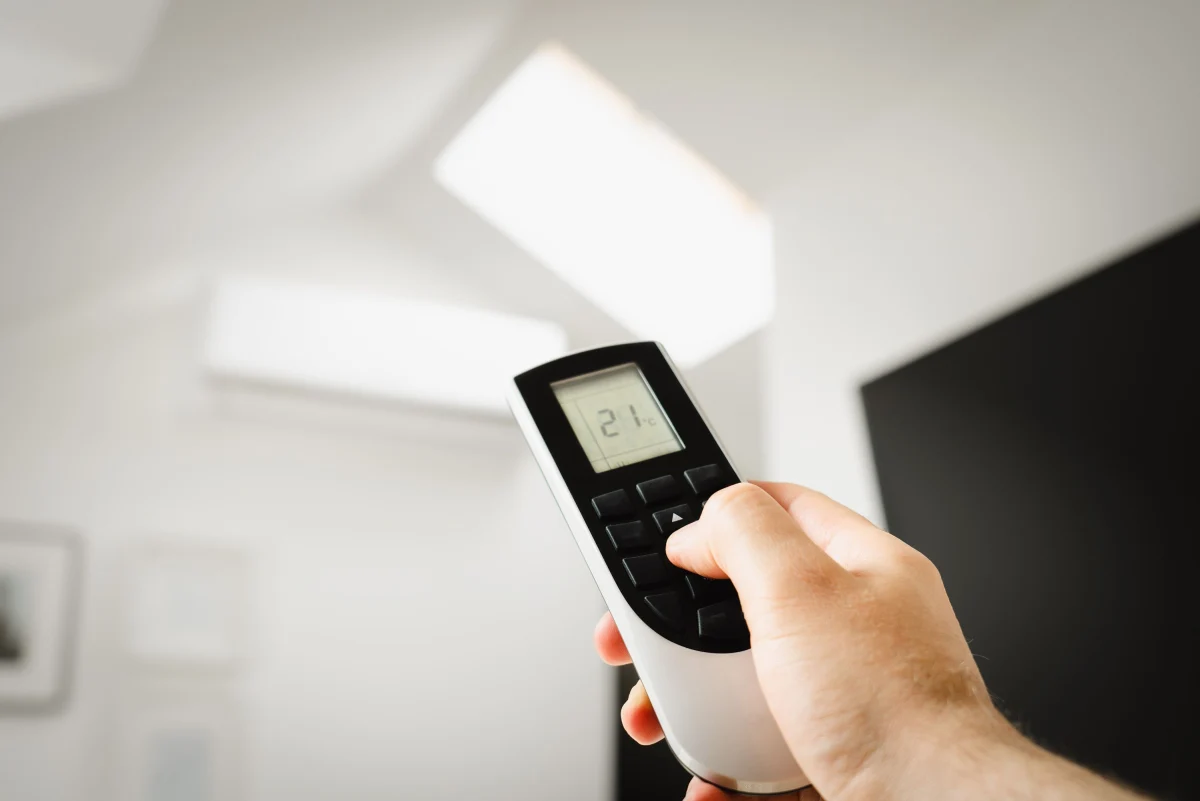
Why homeowners love them: The standard IR remote that ships with most mini splits works fine, but it has limitations: you have to point it at the unit, you can't control it from work, and there's no scheduling intelligence. WiFi kits solve all of this.
The numbers:
- Your cost: $30–$60 (brand-specific module or universal adapter)
- Installed price to customer: $100–$175
- Labor time: 10–15 minutes (plug into the unit's PCB, connect to WiFi)
- Gross margin: 60–70%
Features that sell themselves:
- Smartphone control: Adjust temperature from anywhere
- Smart home integration: Works with Alexa, Google Home, Apple HomeKit (varies by brand)
- Scheduling: Set daily/weekly schedules
- Energy monitoring: Some modules track power consumption
- Geofencing: Auto-adjusts when you leave or arrive home
How to present it: "Would you like to control your mini split from your phone? You can turn it on before you get home so it's already comfortable when you walk in. It also works with Alexa/Google if you have smart home stuff."
Key insight: WiFi kits have the highest acceptance rate among homeowners under 45. For rental properties and Airbnbs, smart control is practically expected by guests.
3. Decorative Line Set Covers
Why they matter: A bare copper line set running down the side of a house looks, frankly, terrible. It's the most common visual complaint about mini split installations. Line covers transform a functional eyesore into a clean, professional-looking installation.
The numbers:
- Your cost: $40–$80 (14-foot kit with elbows and end caps)
- Installed price to customer: $150–$300
- Labor time: 20–40 minutes
- Gross margin: 55–65%
Options to offer:
- Standard white PVC: Most common, fits most exteriors
- Paintable covers: Customer can color-match to their siding
- Slim duct systems: Premium option for visible runs through interior spaces
- Brown/beige options: For brick or earth-toned exteriors
How to present it: Show before/after photos. Nothing sells line covers faster than a side-by-side comparison of an installation with exposed lines versus one with clean covers. Keep 3–4 photos on your phone.
Secondary Add-Ons Worth Offering
Condensate Pumps ($65–$120 installed)
When to offer: Any installation where the indoor unit is below the point where condensate can gravity-drain: basements, low-mounted floor consoles, or situations where you can't easily run a drain line outside.
- Your cost: $25–$45
- Margin: 55–65%
- Labor: 15–20 minutes
Outdoor Unit Mounting Brackets ($50–$100 installed)
When to offer: When the outdoor unit needs to be wall-mounted or elevated off the ground, useful in flood-prone areas, snowy climates, or when ground space is limited.
- Your cost: $20–$40
- Margin: 55–65%
- Labor: 15–30 minutes
Concrete or Plastic Pads ($40–$75 installed)
When to offer: Every ground-mounted outdoor unit. A proper pad prevents the unit from sinking into dirt, keeps it level, and looks professional.
- Your cost: $15–$30
- Margin: 55–65%
- Labor: 5–10 minutes
UV Lights / Ionizer Kits ($100–$200 installed)
When to offer: Health-conscious customers, allergy sufferers, or anyone asking about indoor air quality.
- Your cost: $35–$75
- Margin: 60–70%
- Labor: 15–20 minutes
Extended Warranty Registration ($50–$150)
When to offer: Always. Many manufacturers offer extended warranties (5–10 years on parts) when the system is registered by a certified installer. You can charge a service fee for handling the registration and providing documentation.
- Your cost: Time only (15–20 minutes)
- Margin: Nearly 100%
- Labor: Administrative only
How to Present Add-Ons Without Being Pushy
The "Package" Approach
Instead of offering add-ons one by one (which feels like being nickeled-and-dimed), create installation packages:
Standard Install: $X
- Unit + installation + basic materials
Professional Install: $X + $250
- Everything in Standard
- Surge protector
- Line set covers
- Concrete pad
Premium Install: $X + $450
- Everything in Professional
- WiFi smart control kit
- Extended warranty registration
- 1-year maintenance check included
Data point: Contractors who use the package approach report that 60–70% of customers choose the middle or premium option, versus only 30–40% buying add-ons when offered individually.
The Visual Sell
- Keep sample products in your van: let customers hold the WiFi module, see the line cover quality
- Show before/after photos of installations with and without line covers
- Demonstrate the smartphone app on your phone
- Bring a one-page comparison sheet to every estimate
Timing Matters
Present add-ons during the estimate, not at installation time. By the time you're on-site installing, the customer has already mentally committed to a price. Adding costs at that point creates friction. During the estimate, it's just part of the decision-making process.
The Financial Impact
Let's run the numbers on what smart add-on strategy means for your business:
Without add-ons:
- 200 installations/year × $3,500 average job = $700,000 revenue
- At 50% gross margin = $350,000 gross profit
With add-ons (average $300/job additional):
- 200 installations/year × $3,800 average job = $760,000 revenue
- Add-on margin at 65% = $39,000 additional gross profit
- Total gross profit: $389,000, an 11% increase with minimal extra effort
Over 5 years, that's nearly $200,000 in additional profit from a strategy that takes 10 minutes per estimate to implement.
Stocking Strategy
What to Keep in the Van
- 5 surge protectors (universal model)
- 2–3 WiFi kits (for your primary brand)
- 2 line cover kits (white, 14-foot)
- 2 concrete pads
- 1 condensate pump
- 1 wall mounting bracket
Total van inventory cost: approximately $400–$600, pays for itself in 2–3 jobs.
Ordering from Your Distributor
Work with your wholesale supplier to bundle accessories with unit orders. Many distributors offer contractor packages that include the most common add-ons at volume pricing.
The Bottom Line
Add-ons aren't just profit boosters: they're the difference between a basic installation and a professional one. Surge protectors protect the system. WiFi kits delight the homeowner. Line covers make everything look polished. When you present them as part of a quality installation rather than an upsell, everyone wins.
Start with the Big Three (surge protector, WiFi kit, line covers), build them into packages, and watch your average job value, and your reputation, climb.