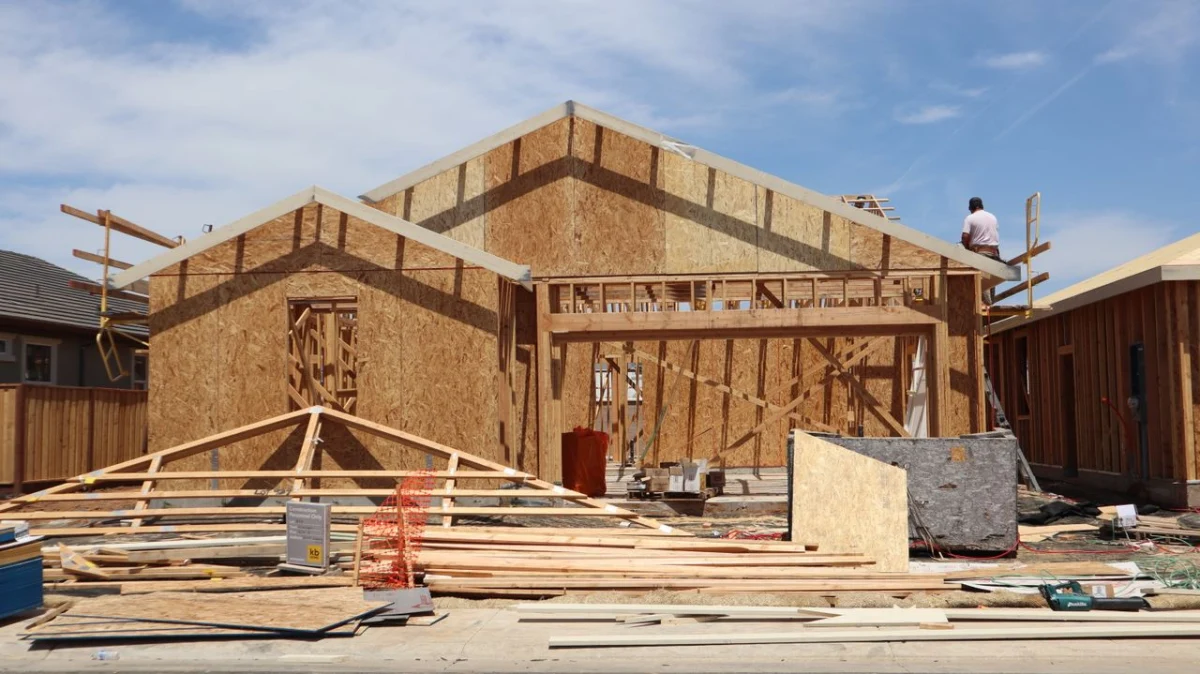
Sacramento's new construction residential market has experienced a significant shift in HVAC specification over the past five years, driven by increasingly stringent California Title 24 energy code requirements, California Air Resources Board (CARB) refrigerant regulations, local air district rules, and the economics of solar-plus-mini-split installations that make all-electric new construction genuinely cost-competitive with gas. For builders, developers, and homeowners contracting new construction in Sacramento city and Sacramento County, understanding how mini splits fit into Sacramento new construction HVAC specification, and how they interact with Title 24 compliance, is essential for making sound mechanical system choices.
This guide covers California's 2022 Title 24 standards as they apply to residential HVAC in Sacramento's Climate Zone 12, the refrigerant transition regulations affecting equipment selection, the specific advantages and considerations for mini split specification in new construction vs retrofitting existing homes, and the all-electric construction pathway that Sacramento County increasingly supports.
Sacramento's Climate Zone 12: What Title 24 Requires
California divides the state into 16 climate zones for Title 24 energy compliance calculations. Sacramento city and most of Sacramento County fall within Climate Zone 12, a hot-summer, mild-winter zone characterized by:
- High cooling degree days (1,800–2,200 CDD65), requiring significant cooling system efficiency
- Moderate heating degree days (2,400–2,800 HDD65), where heat pump heating is economically viable year-round
- Hot, dry summers (Sacramento's average July maximum: 95°F, with heat events reaching 108–115°F)
- Mild winters (Sacramento's average January minimum: 38°F, occasional frost but rarely below 28°F)
Title 24 2022 (effective January 1, 2023) for new residential construction in Climate Zone 12 establishes minimum HVAC efficiency requirements that directly favor mini splits:
- Heat pump requirement: All newly installed space heating systems in new residential construction must be heat pump technology (all-electric heating standard) unless the applicant demonstrates a specific exception
- Minimum heating efficiency: HSPF2 ≥7.5 for split-system heat pumps; most mini splits achieve HSPF2 8.0–10.5, comfortably exceeding the minimum
- Minimum cooling efficiency: SEER2 ≥15.0 for split-system air conditioners in Climate Zone 12; premium mini splits achieve SEER2 20–30, well above minimum
- Smart thermostat requirement: All new residential HVAC systems must include demand-responsive controls (DR-capable) that allow utility load management: standard WiFi-connected mini split systems with SMUD compatibility satisfy this requirement
The All-Electric New Construction Pathway in Sacramento
California's building decarbonization trajectory makes all-electric new construction the lowest regulatory risk path in Sacramento. The California Building Standards Commission is on a path toward mandatory all-electric new construction; multiple Sacramento-area jurisdictions (Folsom, Roseville, Sacramento city) have adopted reach codes or are evaluating them. Building all-electric with mini splits now avoids:
- Potential future retrofits if gas appliances face restrictions
- Gas infrastructure costs (gas service, gas meter, gas piping through the home)
- Combustion appliance safety requirements and related permitting
All-electric new construction in Sacramento also qualifies for SMUD's whole-home electrification incentive programs (SMUD Multifamily New Construction program, Custom Rebate programs for qualifying installations).
Key fact: SMUD (Sacramento Municipal Utility District) serves most of Sacramento city and parts of Sacramento County, while other areas are served by PG&E. For new construction in SMUD territory, verify the service address before specifying HVAC systems: SMUD and PG&E have different rebate programs and rate structures. SMUD's residential TOU rates (time-of-use pricing) create the same pre-cooling optimization opportunity as PG&E's TOU rates, but at different peak/off-peak periods. SMUD's peak period is 5 PM–8 PM on weekdays; a mini split system set to pre-cool during off-peak hours (before 5 PM) and drift during peak period achieves the highest SMUD TOU cost savings in Sacramento's hot summers.
Multi-Zone Mini Split Specification for New Construction
New construction provides an advantage over retrofit: the opportunity to integrate the mini split system into the building design from the start, with optimized placement for aesthetics, performance, and serviceability. Key new construction specification decisions:
Zone Layout and Indoor Unit Placement
For a typical Sacramento new construction single-family home (2,000–3,000 sq ft, 3–4 bedrooms), the standard zone configuration:
- Great room / living / dining open zone: One 18,000–24,000 BTU high-wall unit (or ceiling cassette for open-plan aesthetics); positioned to circulate air across the full open area
- Primary bedroom: One 9,000–12,000 BTU unit; quietest available model for sleep quality
- Secondary bedrooms: One 9,000 BTU unit each, or a single 12,000 BTU unit if two bedrooms share a common hallway
- Home office (if applicable): One 9,000 BTU unit; working from home has made dedicated office climate control a consistent specification request in Sacramento
- Total system: 48,000–60,000 BTU outdoor unit (4–5 zones) for a full 2,500 sq ft Sacramento home
Line Set Routing in New Construction
New construction allows line sets (refrigerant piping) to be run through wall cavities and chases during framing, before drywall. This produces a far cleaner installation than retrofit line sets run on the exterior wall surface. New construction routing considerations:
- Coordinate line set chase routing with framing contractor before rough-in: identify the path from each indoor unit location to the outdoor unit location during framing
- Provide 3.5"–4" diameter sleeve/chase at planned line set penetrations through exterior walls and floors
- Specify outdoor unit location on the North or East side of the home where possible: shade reduces outdoor unit ambient temperature in Sacramento's intense summers, improving cooling efficiency 3–7%
- Size the electrical panel for mini split loads at rough-in: a 4–5 zone system with a 5-ton outdoor unit typically requires a 40A–60A 240V dedicated circuit for the outdoor unit; plan for this at panel specification
ACCA Manual J Load Calculation
Title 24 and ACCA standards require a Manual J load calculation for new construction HVAC sizing. For mini split specification in Sacramento new construction, this calculation must account for:
- Climate Zone 12 design conditions (99°F cooling design temperature, 38°F heating design temperature per ASHRAE)
- Title 24-compliant insulation levels (R-38 ceiling, R-15 wall cavity minimum for new construction in CZ12)
- Window performance (U-factor ≤0.32, SHGC ≤0.25 for west and south facing in CZ12 under 2022 standards)
- Orientation and shading
A Manual J calculation for a properly insulated and windowed Sacramento new construction home typically yields cooling loads 15–25% lower than a similar-sized older home: the envelope improvements in modern construction reduce cooling demand, which can allow slightly smaller zone equipment than comparable square footage in older buildings would suggest.
Refrigerant Considerations for New Construction
California's refrigerant transition regulations under CARB's Advanced Clean Air Act (AB 32 implementing regulations) require that new HVAC equipment sold in California after 2025 use refrigerants with global warming potential (GWP) ≤750. This regulation effectively phases out R-410A (GWP 2,088) from new equipment sales and accelerates the transition to:
- R-32 (GWP 675): Currently the most common lower-GWP refrigerant in mini split equipment; Daikin, Mitsubishi, and Fujitsu all offer R-32 models. R-32 has mild flammability (A2L classification) requiring specific installation practices (no installation in confined spaces without ventilation, specific service tool requirements).
- R-454B (GWP 466): Honeywell Solstice refrigerant; being adopted by some manufacturers as an R-410A drop-in with lower GWP; also A2L classified
For Sacramento new construction in 2026 and beyond, specify equipment rated for R-32 or R-454B: this ensures regulatory compliance and avoids future refrigerant sourcing issues as R-410A is phased out of the California market.
Pro tip: Sacramento new construction projects that include solar photovoltaic (PV) installations, which Title 24 2022 requires for most new single-family homes, benefit from modeling mini split loads against the solar production schedule. Mini split pre-cooling loads (running the system hard during the morning and early afternoon when solar production is high) align naturally with on-peak solar output, allowing the solar system to offset cooling loads during the hours when the grid charges highest rates. A Sacramento new construction home with 6kW solar + 4-zone mini split + smart scheduling achieves genuine near-zero-cost cooling in most summer months, a compelling economic argument for the all-electric new construction pathway that builders and buyers in Sacramento's competitive market are increasingly recognizing.
Sacramento County Building Department Requirements
New construction HVAC permits in Sacramento County require:
- Mechanical permit: Required for all HVAC equipment installation; submit equipment specifications (model numbers, BTU ratings, SEER2/HSPF2 ratings) with permit application
- Electrical permit: Required for new electrical circuits to outdoor and indoor units; typically pulled by the licensed electrical contractor coordinating with the HVAC contractor
- Title 24 compliance documentation: CF1R (Certificate of Compliance) and CF2R (Certificate of Installation) forms required; HVAC contractor completes CF2R confirming installation matches the Title 24 compliance documentation
- Final inspection: HVAC systems must pass inspection before certificate of occupancy is issued; inspector verifies equipment matches permits, refrigerant handling certification of technician (EPA Section 608), and proper installation per manufacturer specifications
In Sacramento city limits, building and mechanical permits are issued by the Sacramento Community Development Department. Sacramento County unincorporated areas use the Sacramento County Building Permits and Inspections Division. Both require Title 24 documentation for new construction HVAC.
Cost Comparison: Mini Split vs Ducted System for New Construction
For Sacramento new construction, the installed cost comparison (2026 pricing):
- Mini split system (4 zones, 4-ton, including electrical): $14,000–$20,000 installed (no duct installation, no duct insulation, no return air chases)
- Central forced-air heat pump with ductwork (new construction): $18,000–$28,000 installed (equipment + duct fabrication + duct insulation + AHU/furnace air handler + registers + balancing)
- Net mini split advantage: $4,000–$8,000 lower installed cost in new construction: the absence of ductwork eliminates a major construction cost component
Over a 15-year operating horizon, mini split efficiency advantage (25 SEER2 mini split vs 16 SEER2 central system) saves an additional $250–$500/year in SMUD electricity costs, adding $3,750–$7,500 in operating savings to the initial capital advantage.
Summary: Mini Splits Are the Right Choice for Sacramento New Construction
California's Title 24 2022 heat pump requirement, SMUD's electrification incentives, CARB's refrigerant transition regulations, and the economic advantage of avoiding ductwork all align to make multi-zone mini splits the optimal HVAC specification for Sacramento new construction. Proper Manual J sizing for CZ12 conditions, clean line set routing during framing, R-32 equipment selection, demand-responsive controls for SMUD TOU compliance, and thorough Title 24 documentation ensure the system satisfies every regulatory and performance requirement, while delivering the room-level comfort control and energy efficiency that Sacramento homeowners need for the region's challenging summer climate.