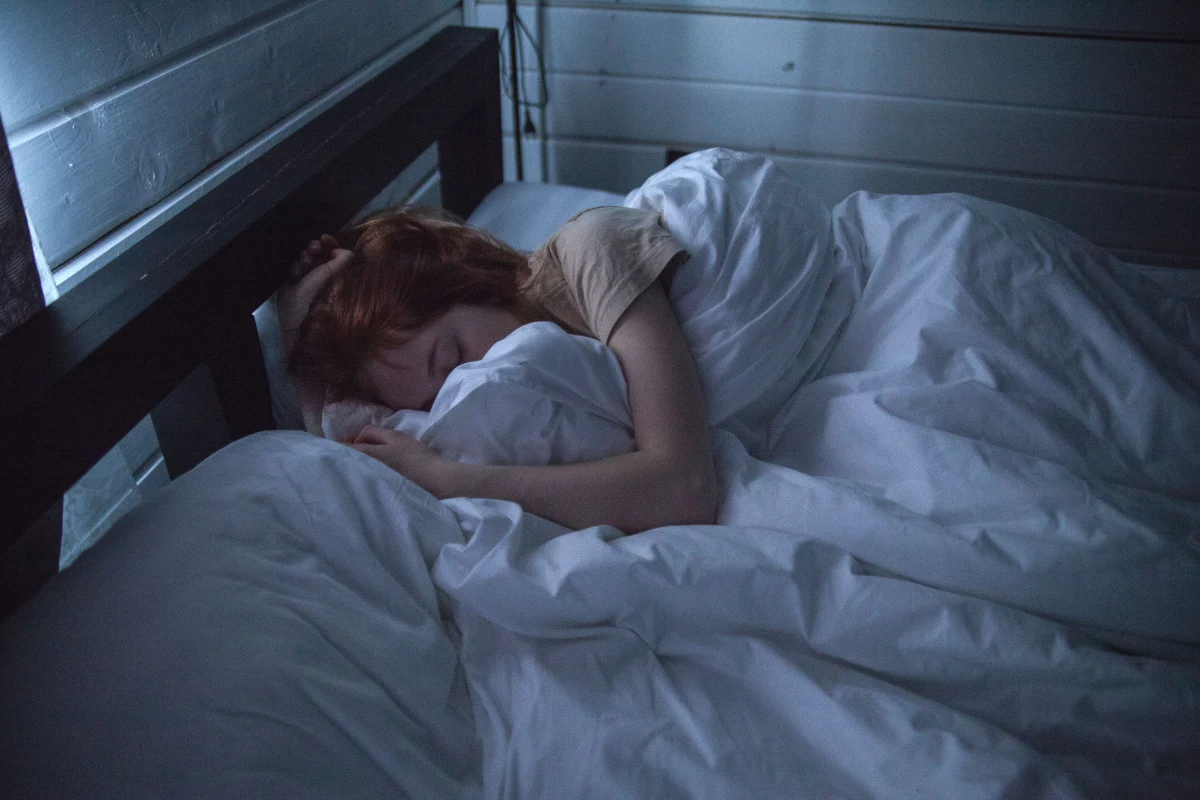
Sleep Quality and Temperature: Why 65-68°F Is Ideal
You can have the most expensive mattress, blackout curtains, and a white noise machine, but if your bedroom is too warm, you're fighting an uphill battle for quality sleep. Sleep science is clear: temperature is one of the most critical factors in sleep quality, and getting it right can transform your nights.
The Science of Sleep and Temperature
Your Body's Internal Thermostat
Sleep is closely tied to your body's core temperature cycle. Here's what happens:
- 2 hours before sleep: Your core body temperature begins to drop naturally, triggered by melatonin release
- During sleep: Core temperature drops 1–2°F from its daytime peak, reaching its lowest point around 4–5 AM
- Before waking: Temperature begins rising again, helping you transition to wakefulness
This temperature drop isn't just correlated with sleep. It triggers sleep onset. When your body can't cool down (because the room is too warm), falling asleep takes longer and sleep quality suffers.
What the Research Says
The evidence is overwhelming:
- The Sleep Foundation recommends keeping bedroom temperature between 65–68°F (18.3–20°C) for optimal sleep quality
- Healthline cites research supporting 60–67°F as the ideal range
- A 2023 study published in Science of the Total Environment found that for older adults (65+), temperatures between 68–77°F were associated with better sleep efficiency, slightly warmer than for younger adults
- Dr. Chris Winter, a neurologist and sleep specialist, states: "A cooler environment usually lends itself to better quality of sleep"
- Research links high nighttime temperatures to reduced REM sleep and slow-wave (deep) sleep, the most restorative stages
The Consequences of Sleeping Too Warm
When your bedroom is above 75°F:
- Sleep onset latency increases: It takes longer to fall asleep
- REM sleep decreases: You get less of the dream stage that processes emotions and memories
- Night wakings increase: You wake up more frequently throughout the night
- Deep sleep is disrupted: Stage 3 slow-wave sleep (physical restoration) is reduced
- Next-day performance suffers: Cognitive function, mood, and reaction time are all impaired
Even a 5°F increase above the optimal range can measurably reduce sleep quality.
Why Mini Splits Are the Perfect Bedroom Climate Tool
Precision Temperature Control
Unlike central air systems that maintain a single temperature for the entire home, mini splits let you set the exact temperature for your bedroom, independent of other rooms:
- Set the bedroom to 66°F while the living room stays at 72°F
- No compromise between partners who share a home but have different temperature preferences in common areas vs. sleeping areas
- ±1°F accuracy with inverter-driven systems, versus ±3–5°F swings with conventional AC
Whisper-Quiet Operation
This is where mini splits truly shine for sleep. Modern indoor units operate at:
- 19–22 dB on low fan: quieter than a library
- 26–32 dB on medium: about the level of a whisper
- Some models as low as 15 dB in sleep mode
Compare that to:
- Window AC: 50–60 dB (as loud as a conversation)
- Portable AC: 52–58 dB
- Central air register: 35–45 dB
- Ceiling fan: 30–40 dB
Many users report that the gentle airflow from a mini split actually functions as white noise that aids sleep, similar to a fan but without the temperature inconsistency.
Sleep Mode Features
Most quality mini splits include dedicated sleep modes:
- Gradual temperature adjustment: The system slowly raises the set temperature by 1–2°F over the course of the night, matching your body's natural temperature curve
- Reduced fan speed: Automatically drops to the lowest, quietest setting
- Display dimming: The LED on the indoor unit turns off so it doesn't illuminate the room
- Auto-off timer: Can be set to turn off after a certain number of hours
No Drafts, No Hot Spots
Mini splits use adjustable louvers and oscillating airflow to distribute air evenly throughout the room. You can:
- Direct air away from the bed: Avoid cold air blowing directly on your face
- Set swing mode: For even distribution without concentrated drafts
- Use "comfort" airflow: Some models direct air along the ceiling, allowing cool air to drift down naturally
Optimizing Your Bedroom for Sleep
The Ideal Setup
- Set your mini split to 65–68°F (or 68–72°F if you're over 65)
- Use sleep mode if available: it will automatically adjust through the night
- Set the fan to low or auto: Minimize noise while maintaining temperature
- Direct airflow toward the ceiling: Avoid direct drafts on the bed
- Turn off the display light: Most remotes have a "light" button
Complement with These Strategies
- Breathable bedding: Cotton or bamboo sheets work best with cool air
- Light sleepwear: Heavy pajamas counteract the cool room
- Take a warm shower before bed: Paradoxically, this helps your core temperature drop faster afterward
- Block outside heat: Blackout curtains also insulate against outdoor heat
- Avoid heavy meals and alcohol before bed: Both raise body temperature
For Couples with Different Preferences
This is one of the most common temperature conflicts in any home. Mini splits offer solutions:
- Dual-zone bedroom: In larger bedrooms, two wall-mounted units can create temperature gradients
- Compromise at 68°F: Research suggests this temperature works for most adults
- Adjustable airflow direction: Point the air toward the warmer sleeper
- Separate bedrooms with independent zones: If preferences differ significantly (and this is more common than you'd think)
The Energy Cost of Cool Sleep
It's Cheaper Than You Think
Running a 9,000 BTU mini split (typical for a bedroom) on cooling mode overnight:
- Power consumption in sleep mode: 200–400 watts/hour
- 8 hours of operation: 1.6–3.2 kWh
- At $0.15/kWh: That's $0.24–$0.48 per night
- Monthly cost: Approximately $7–$15
Compare that to the health costs of poor sleep:
- Poor sleep is linked to obesity, diabetes, cardiovascular disease, and weakened immune function
- One study estimated that sleep deprivation costs the U.S. economy $411 billion annually in lost productivity
- Chronic poor sleep increases healthcare costs by an estimated $2,000–$3,000 per person per year
Spending $10/month on bedroom cooling is one of the best health investments you can make.
Efficiency Tips
- Use a timer: Set the mini split to start cooling 30 minutes before bedtime
- Close bedroom doors: Keep the cool air contained
- Use ceiling fans together: Moving air feels 3–4°F cooler, allowing you to set the thermostat slightly higher
- Keep blinds closed during the day: Prevent solar heat gain from warming the bedroom before nighttime
Special Considerations
Children and Infants
- Ideal room temperature for babies: 68–72°F (slightly warmer than adults)
- Never below 65°F for infant sleep spaces
- Mini splits with temperature locks prevent accidental changes
- Avoid direct airflow on cribs
Elderly Adults
- The 2023 study in Science of the Total Environment found that adults 65+ slept best at 68–77°F
- Older adults often have reduced thermoregulation capability
- Mini split zone control lets elderly family members have warmer bedrooms while younger members keep theirs cooler
Hot Sleepers
If you consistently sleep hot:
- Start at 64–65°F and adjust up
- Use the mini split's turbo mode to pre-cool the room, then switch to sleep mode
- Consider a ceiling cassette for overhead air distribution if wall-mounted airflow bothers you
- Pair with moisture-wicking sheets
The Bottom Line
Sleep is foundational to health, productivity, and quality of life. Temperature is one of the most controllable, and impactful, factors in sleep quality. A mini split in your bedroom gives you precise, quiet, efficient temperature control that's purpose-built for great sleep.
If you remember one number from this article, make it this: 65–68°F. Set your mini split, darken the room, and let your body's natural cooling process do the rest. Your mornings will thank you.