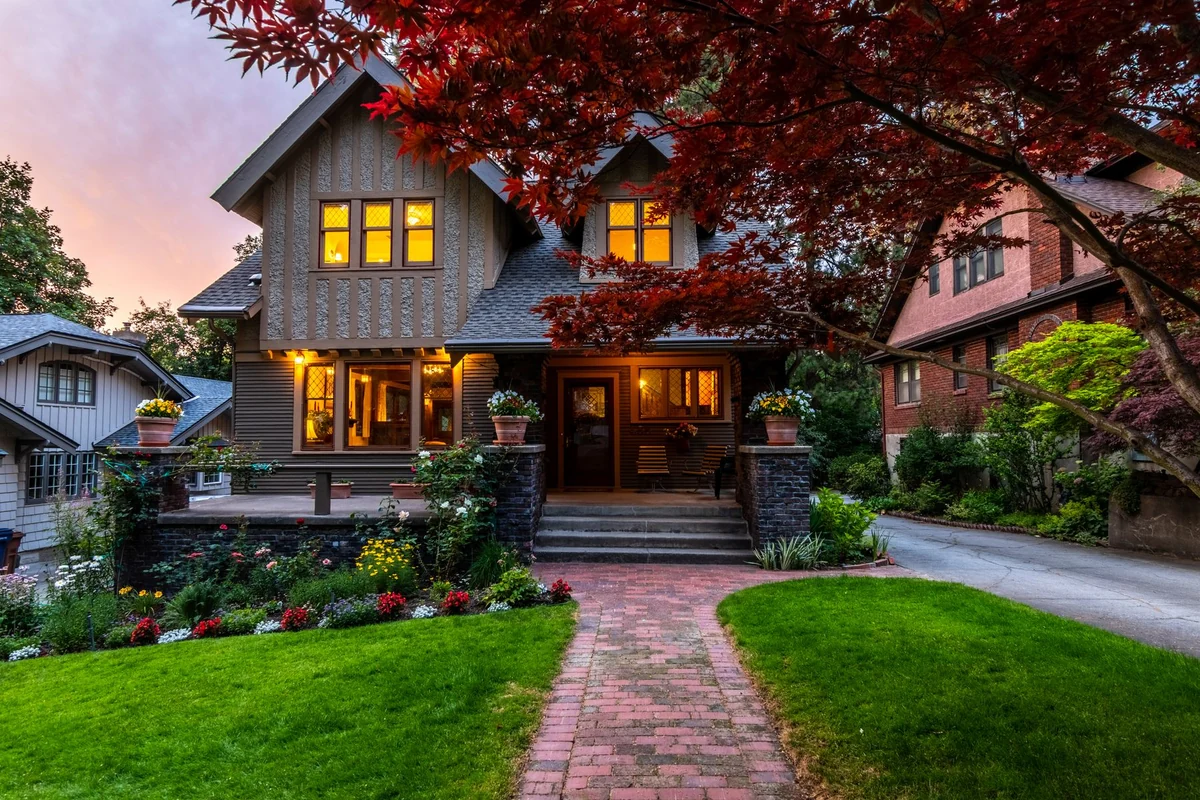
Sacramento's older neighborhoods (Curtis Park, Land Park, East Sacramento, Midtown, Oak Park, and the historic district stretching along the J Street and K Street corridors) contain a remarkable inventory of pre-war homes: Craftsman bungalows from the 1910s–1930s, Victorian Italianates from the 1890s–1910s, and early California cottages without a single inch of ductwork. These homes were built before air conditioning existed and were designed around natural ventilation strategies that, while ingenious, are simply insufficient for cooling in Sacramento's extreme summer heat, where three-digit temperatures can persist for weeks and heat-related illness is a genuine danger.
Adding central forced-air ducting to these homes is technically possible but often prohibitively expensive ($15,000–$30,000 or more) and architecturally damaging. Fortunately, modern ductless systems offer cooling solutions that work beautifully in older Sacramento homes without requiring ductwork, and do it with better efficiency and room-level control than central systems achieve. This guide covers all the realistic options for cooling Sacramento's historic homes, with honest assessments of each approach.
Why Older Sacramento Homes Don't Have Ductwork
Pre-war homes were built with natural ventilation as the only cooling strategy: high ceilings that let hot air rise away from occupants, deep porches that shaded south-facing windows, transoms above interior doors that allowed cross-ventilation between rooms, and mature trees that provided afternoon shade. These strategies work reasonably well when temperatures are 85–90°F. They fail completely at Sacramento's modern 105–115°F peaks, which are both more frequent and more intense due to urban heat island effects and climate change than they were when these homes were built.
Adding ductwork to a plaster-on-lath historic home requires either: running ducts through the attic and dropping into rooms from above (requires ceiling penetrations and bulkhead boxing that damages historic ceiling character), or running ducts through crawl space and up through floors (difficult in slab-adjacent or concrete perimeter foundation homes), or building interior duct chases (requires room-within-room boxing that reduces square footage and reads as obviously non-original).
None of these approaches is cheap or clean. Most Sacramento historic homeowners who investigate central AC decide the installation cost and architectural impact make ductless alternatives far more attractive.
Option 1: Multi-Zone Ductless Mini Split System
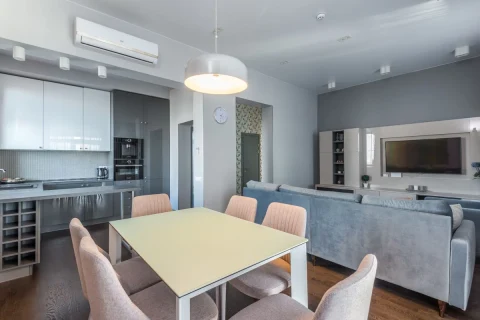
The best solution for most older Sacramento homes without ductwork is a multi-zone ductless mini split system: one outdoor compressor connected to 2–5 wall-mounted indoor units, one per room or zone.
How It Works in an Older Sacramento Home
- Indoor units mount on interior or exterior walls at 7–9 foot height, above stored items and in the occupied air zone
- A small 3.5" diameter hole through the wall connects the refrigerant line set, condensate drain, and electrical wiring to the outdoor unit
- Line sets route through interior walls (if accessible) or through exterior walls with painted line set covers
- The system provides both cooling and heating, replacing both the window ACs and the gas wall heaters or electric baseboard common in older Sacramento homes
Sizing for Curtis Park/Land Park Older Homes
A typical 1,400 sq ft 1920s Craftsman bungalow in Curtis Park or Land Park typically needs:
- Living room / dining room zone: 12,000–18,000 BTU (open layout, often south or west facing)
- Primary bedroom: 9,000–12,000 BTU
- Secondary bedroom(s): 9,000 BTU each
- Total system: 36,000–48,000 BTU outdoor unit with 3–4 indoor zones
Total installed cost for a properly sized 3–4 zone system in an older Sacramento home: $9,500–$16,000 depending on system size, line set complexity, and electrical panel capacity.
Advantages for Historic Sacramento Homes
- Minimal invasiveness: Three small holes per indoor unit vs major structural work for ductwork; preserves historic plaster ceilings, original moldings, and architectural character
- Individual room control: Each zone has its own thermostat: bedrooms can be cooled at night while unoccupied spaces are allowed to warm; significant energy savings over whole-house cooling
- Year-round HVAC replacement: Modern mini splits operate as heat pumps, providing winter heating as efficiently as cooling, replacing multiple old systems (window ACs + wall heaters) with one efficient system
- SMUD rebates: SMUD offers rebates for qualifying systems; check smud.org for current offers
Key fact: Sacramento's urban heat island effect means that older urban Sacramento neighborhoods (Curtis Park, Midtown, Oak Park, East Sacramento) experience nighttime minimum temperatures 5–8°F higher than suburban areas and rural surroundings. This effect (caused by heat storage in pavement, buildings, and reduced vegetation) directly increases cooling loads in historic Sacramento neighborhoods. A mini split installation in an urban Sacramento neighborhood sized for 100°F outdoor ambient should add a 5% sizing buffer to account for local urban heat island conditions that push effective ambient temperatures toward 105°F during evening hours when cooling loads remain high.
Option 2: Mini-Duct High-Velocity System
For Sacramento homeowners who want the air distribution feel of central AC but don't want visible wall units in every room, a mini-duct high-velocity system (Unico, SpacePak) may be an option:
- Small 2"–3" diameter flexible ducts snake through walls and ceilings, delivering high-velocity conditioned air through small outlets (3"–4" diameter in walls or ceilings)
- The small duct diameter allows routing through historic plaster walls with less damage than traditional 6"–12" rectangular ducts
- A central air handler (typically in the attic or basement) distributes air through all zones from one refrigerant circuit
- Less efficient than ductless mini splits (high velocity losses); more expensive to install in most older homes; but provides invisible delivery for homeowners who strongly prefer no visible wall units
- Installed cost: $18,000–$30,000 for a complete system in a typical older Sacramento home
Mini-duct high-velocity systems are significantly more expensive than multi-zone mini splits and less efficient, but for homeowners whose primary concern is interior aesthetics (no visible wall units), they offer a genuine alternative worth evaluating.
Option 3: Whole-House Fan + Mini Split Hybrid
Sacramento's climate, hot afternoons but reliably cool nights (valley floor typically drops to 58–68°F by midnight in summer), is uniquely suited to a whole-house fan strategy as a complement to or partial substitute for air conditioning:
- A whole-house fan (QuietCool or equivalent) mounts in the ceiling between the living space and attic, drawing cool outdoor air in through open windows and exhausting hot air through the attic at up to 3,500–5,000 CFM
- On evenings when outdoor temperature drops to 70°F or below (typically by 8–10 PM in Sacramento's summer), a whole-house fan can cool the house from 85°F to 72°F in 15–20 minutes without any mechanical refrigeration
- This reduces the operating hours required from a mini split system, reducing energy costs and extending equipment life
- Whole-house fan cost: $800–$2,500 installed; combined with a 1–2 zone mini split ($4,000–$7,000) for daytime and extreme heat use
This hybrid approach is well-suited to older Sacramento homes where the natural ventilation design already incorporates window placement that supports whole-house fan operation, and where the goal is maximum comfort with minimum energy consumption.
Option 4: Portable Air Conditioners (Not Recommended for Primary Use)
Portable air conditioners, self-contained units that exhaust through a window kit, are frequently the first thing homeowners in older Sacramento homes try. Honest assessment:
- Portable ACs are less efficient than window units (8–12 EER vs 10–12 EER for window units), which are themselves far less efficient than mini splits (20–25 SEER2)
- The exhaust hose creates positive pressure in unconditioned space that draws hot Sacramento air into the home through gaps and cracks, partially canceling the cooling achieved
- Adequate as emergency backup or for supplemental cooling in one room; inadequate as primary cooling for a Sacramento home through a 108°F heat event
- Not recommended as the primary cooling solution for any Sacramento home intended for full-season occupancy
Pro tip: Sacramento homeowners in historic districts (Curtis Park, East Sacramento, Land Park) considering multi-zone mini split installation should check with the Sacramento Historic Preservation office before installation if the property is a designated historic resource or contributing resource in a historic district. While mini split installation is generally not subject to preservation review (it's not an exterior architectural modification in the same category as window replacement or addition), exterior line set covers and outdoor unit placement in visible locations on historically significant properties may benefit from early communication with preservation staff to identify placement approaches that preserve historic character while meeting comfort needs.
Making the Decision: Which Option Fits Your Sacramento Home
Selection guide by situation:
- Primary residence, full-season occupancy, comfort priority: Multi-zone mini split: best performance, best efficiency, best long-term value
- Historic home, strong aesthetic preference for no visible wall units: Mini-duct high-velocity system, acceptable if budget supports $20,000+ investment; evaluate appearance of outlets vs wall units before committing
- Budget-conscious, natural ventilation still partly viable: Whole-house fan + single-zone mini split for bedroom: reduces total system cost while meeting comfort needs
- Short-term or rental property: Multi-zone mini split: SMUD rebates and rental premium justify investment quickly
Summary: Ductless Is the Right Answer for Most Older Sacramento Homes
Multi-zone ductless mini splits are the right solution for the vast majority of older Sacramento homes without ductwork: better efficiency than any central system alternative, less invasive installation than ductwork, room-level control that matches how the houses are actually used, and SMUD rebate support that reduces net cost. Sacramento's extreme summer heat makes functional cooling a necessity, not a luxury. The architecture of Curtis Park bungalows and East Sacramento Colonials was designed for a different climate era. Mini splits bridge that gap without destroying the historic character that makes these neighborhoods among Sacramento's most desirable places to live.